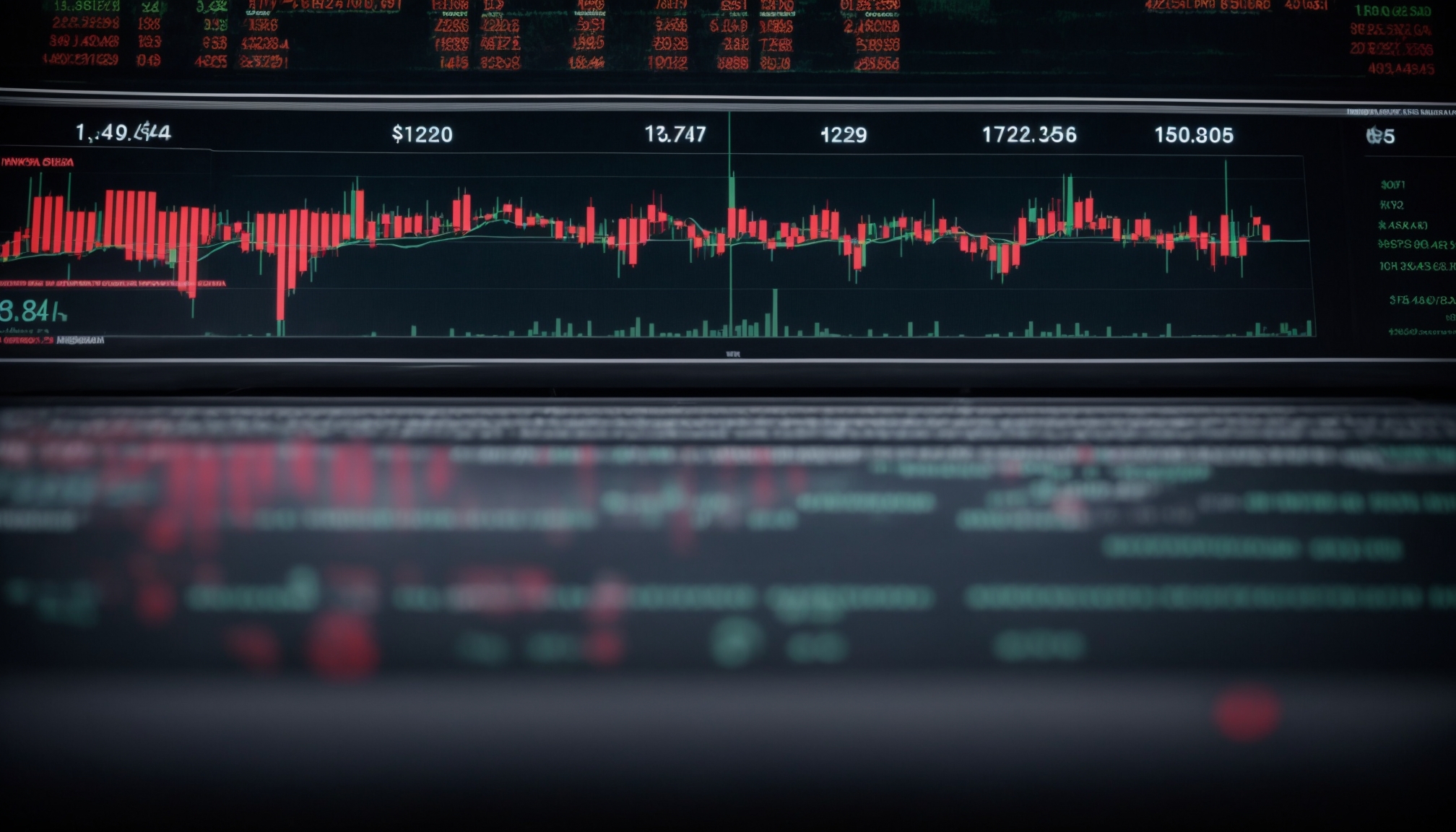
Capital Personal – Global events influence markets in significant ways, often triggering shifts in investor sentiment and financial stability worldwide. Understanding these dynamics is crucial for investors and analysts alike, as economic, political, and social developments can lead to market volatility and new opportunities.
Political developments, such as elections, policy changes, and diplomatic tensions, often cause rapid financial fluctuations. When global events influence markets via political shockwaves, investors tend to react to uncertainty by reallocating assets or seeking safer options. For example, unexpected election outcomes or geopolitical conflicts can lead to market sell-offs or rallies depending on perceived risks and opportunities.
Economic data releases and global trade developments shape market expectations and investment strategies. Global events influence markets by affecting supply chains, commodity prices, and currency valuations. For instance, a slowdown in major economies or changes in trade agreements can ripple across sectors, causing widespread adjustments in stock and bond prices.
Baca Juga: International Monetary Fund World Economic Outlook Reports
Natural disasters and pandemics are unexpected events that cause sudden market disruptions. When global events influence markets through these crises, industries such as travel, manufacturing, and healthcare experience swift shifts in demand and supply. The COVID-19 pandemic, for example, triggered unprecedented volatility and accelerated digital transformation trends in global finance.
Technological breakthroughs often follow or even anticipate global changes, impacting financial markets through innovation cycles. When global events influence markets by accelerating tech adoption, sectors like information technology, renewable energy, and e-commerce can see investor enthusiasm surge. Market participants closely monitor these developments for long-term growth potential.
Staying informed about how global events influence markets is vital for making proactive investment decisions. By analyzing trends and anticipating possible scenarios, investors can better manage risks and capitalize on emerging opportunities. Continuous monitoring of geopolitical, economic, and environmental factors remains key to navigating the complexity of financial markets today.
Clearly, global events influence markets in diverse and profound ways, shaping financial landscapes at multiple levels. Recognizing this interconnectedness helps investors and policymakers foster resilience amid constant change.
For a deeper understanding of how to adapt investment strategies to global shifts, visit global events influence markets.
Capital Personal - Traditional savings accounts are officially bleeding purchasing power, rendering the piggy bank mentality obsolete for the modern…
Capital Personal - A recent survey by the National Endowment for Financial Education revealed that 78% of U.S. workers live…
Capital Personal - Global markets ended 2023 with a surprising 24% rally in the S&P 500, yet inflation remains a…
Capital Personal - Recent Federal Reserve data indicates that nearly 60% of Americans are unable to cover a $1000 emergency…
Capital Personal - Global equity markets erased approximately $2.1 trillion in value over the last three trading sessions, signaling a…
Capital Personal - Global financial markets have entered a phase of unprecedented volatility, with the VIX index spiking by over…