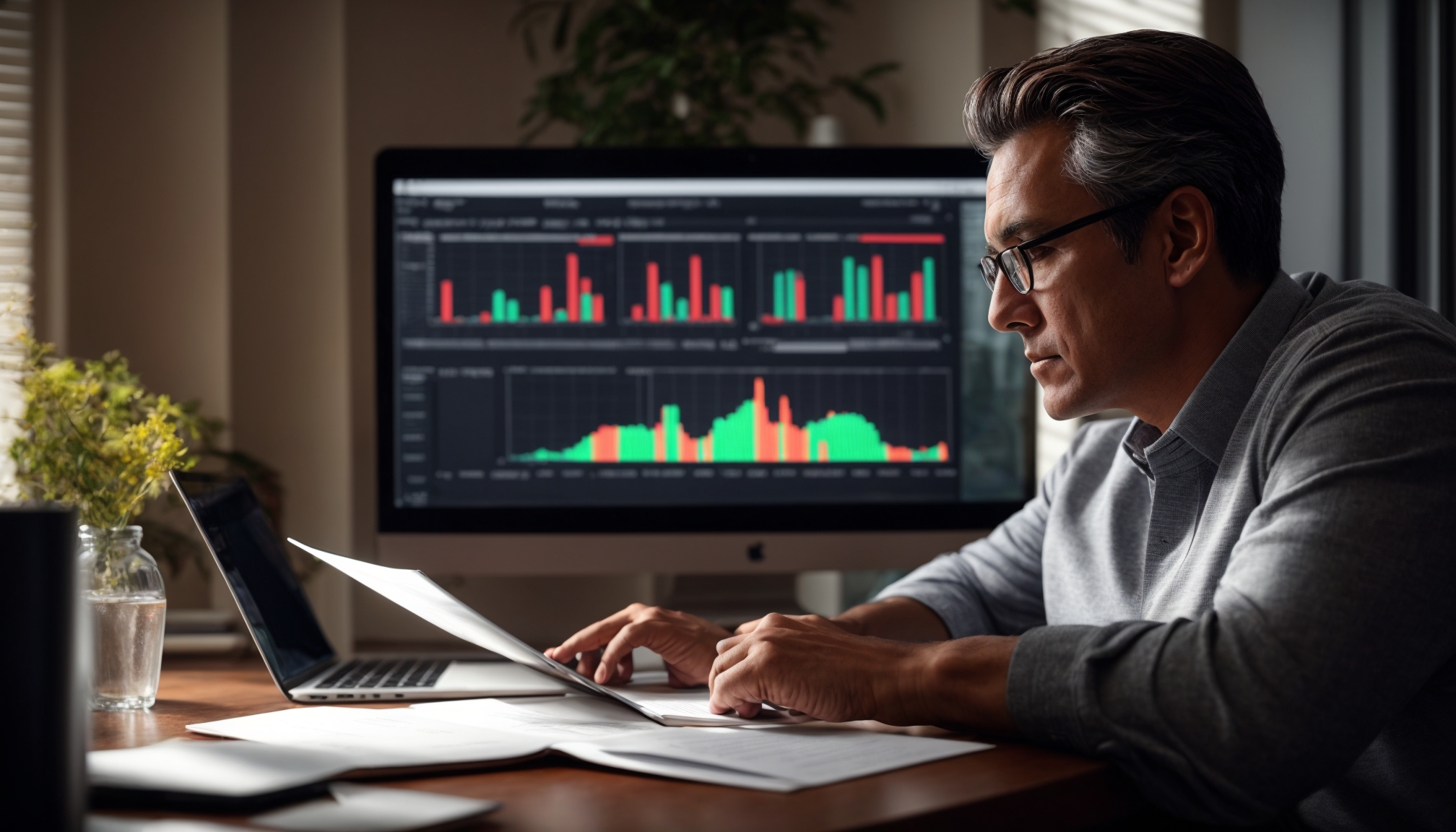
Capital Personal – Investors facing volatile markets often struggle with investing in uncertain times as fear and headlines push them toward rash decisions that threaten long-term goals.
Markets move in cycles, and uncertainty is a permanent feature, not an exception. Yet many people feel every dip is different and react based on emotions instead of strategy. This reaction can cause them to sell low, buy high, or abandon a well-structured plan.
Fear and greed dominate when prices swing sharply. Investors check their portfolios too often and focus on short-term losses instead of long-term progress. In many cases, the biggest risk comes not from the market, but from impulsive decisions at the worst possible moment.
History shows that missing just a few of the best recovery days can significantly reduce long-term returns. Because those strong days often come right after the worst declines, stepping out of the market entirely can be very costly.
To navigate investing in uncertain times, investors need clear principles that guide decisions when emotions become intense. One key principle is anchoring every choice to a written long-term plan. That plan should connect investments to concrete goals, such as retirement, education, or buying a home.
Another principle is accepting that volatility is the price of higher potential returns. Market declines are uncomfortable but normal. By acknowledging this reality in advance, investors can see downturns as part of the journey rather than a sign that the strategy has failed.
Maintaining appropriate liquidity also matters. Cash reserves for three to six months of expenses reduce the pressure to sell investments in a downturn. This buffer provides psychological comfort and practical flexibility during job losses or income shocks.
Good risk management helps investors stay invested without overreacting. Diversification across asset classes, sectors, and regions spreads risk so that no single event destroys the portfolio. A mix of stocks, bonds, and possibly alternative assets can smooth returns over time.
Asset allocation should reflect time horizon and risk tolerance. Younger investors often hold more equities because they have decades to recover from downturns. Those nearing retirement usually prefer a more balanced mix to protect capital while still seeking growth.
Rebalancing is another useful discipline. Instead of reacting to headlines, investors periodically adjust holdings back to target percentages. When markets fall, rebalancing may mean buying assets that dropped in price, which feels counterintuitive but supports buying low and selling high.
Modern news cycles amplify anxiety. Sensational headlines emphasize worst-case scenarios because fear attracts attention. Social media adds constant commentary, predictions, and opinions that can push investors toward impulsive trades.
To stay grounded, investors can limit how often they check portfolio values and financial news. Setting specific times to review information, such as once a week or once a month, helps contain emotional swings. Turning off unnecessary alerts reduces the urge to respond immediately.
It also helps to verify information through reliable sources instead of following rumors or viral posts. Professional research, central bank communications, and reputable financial media provide more balanced context than random online comments.
Read More: Long-term investment philosophy for disciplined investors
During periods of intense volatility, a trusted advisor can provide perspective and structure. A financial planner helps translate big-picture concerns into concrete steps, such as adjusting savings rates, revisiting goals, or fine-tuning asset allocation.
Professional guidance can also prevent common behavioral mistakes. When investors feel panic, an advisor can remind them why they chose their strategy and how it fits their long-term objectives. This support can be especially valuable for those new to investing or nearing major milestones.
However, investors should choose advisors who act as fiduciaries and place client interests first. Transparent fees, clear communication, and education-focused conversations signal a relationship built on trust, not short-term product sales.
A disciplined approach to investing in uncertain times rests on automatic, rules-based actions. Regular contributions through automated transfers reduce the temptation to time the market. Dollar-cost averaging spreads purchases over many periods, lowering the impact of short-term volatility.
Documented rules for when to review and adjust investments further reduce emotional reactions. For example, an investor might rebalance when any asset class drifts more than 5 percent from its target allocation, rather than whenever markets move sharply.
Some investors also define clear thresholds for life changes that justify adjusting strategy, such as marriage, children, career shifts, or approaching retirement. Linking adjustments to life events instead of market noise helps maintain consistency.
Ultimately, successful investing in uncertain times depends on focusing energy where it matters most. Investors cannot control interest rates, geopolitical events, or market sentiment. They can control savings habits, diversification, fees, and behavior.
Maintaining a long-term view allows investors to treat downturns as temporary episodes rather than permanent losses. Combining clear goals, sensible risk management, and disciplined processes helps reduce the urge to react impulsively when headlines turn alarming.
By grounding decisions in a thoughtful plan, investors place short-term volatility in proper perspective. Over time, this steady approach to investing in uncertain times can support stronger financial outcomes and greater peace of mind, regardless of how unpredictable markets may appear.